Why a regular vacuum bag cannot go in the oven
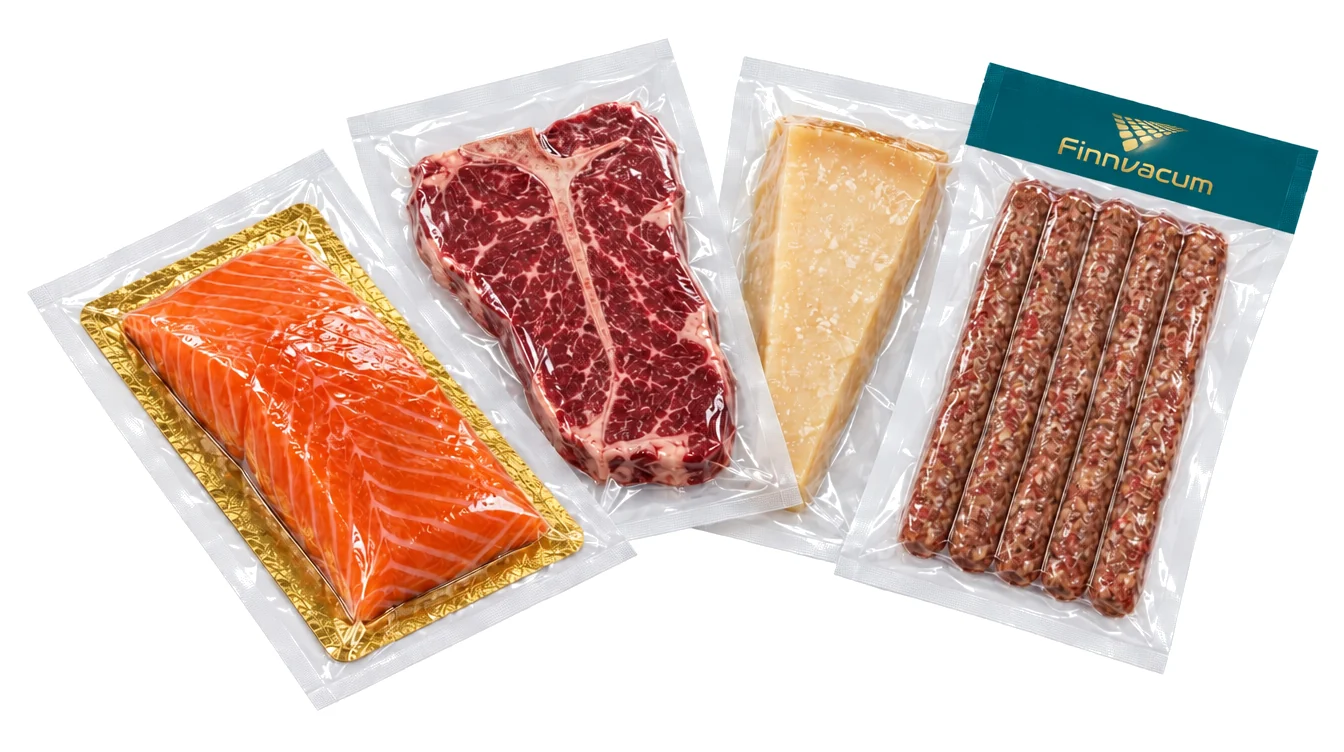
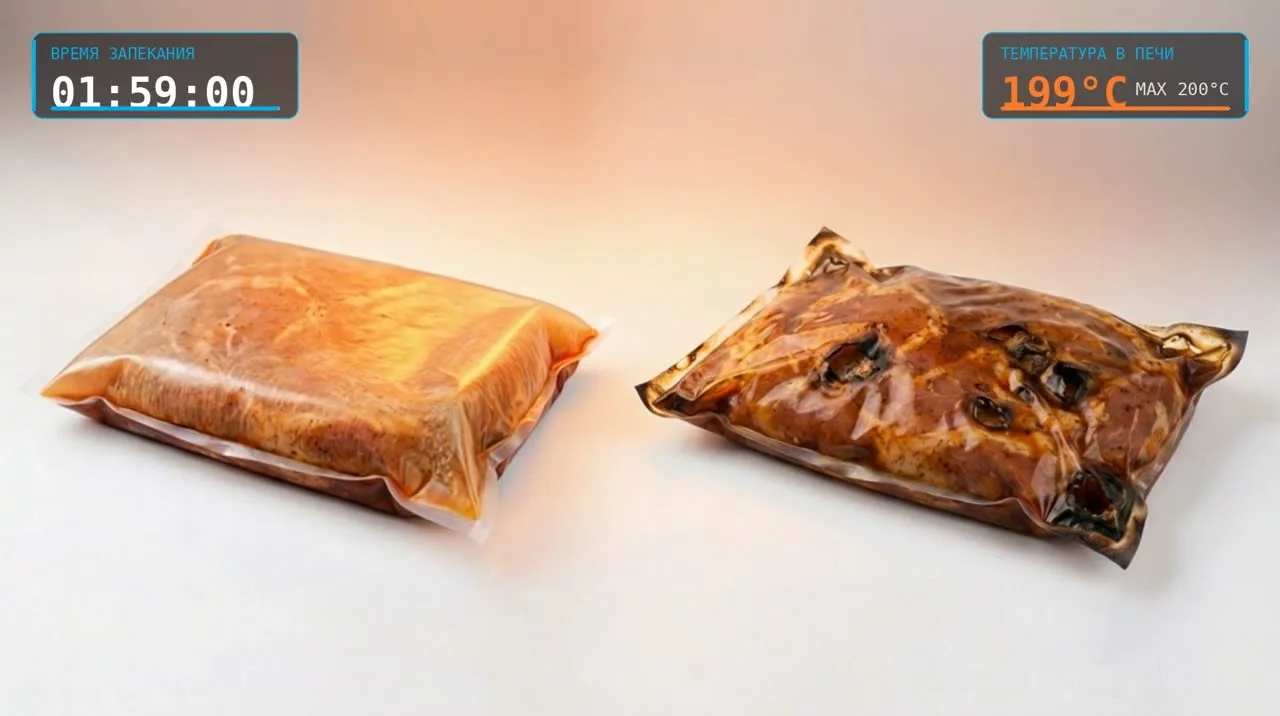
A regular vacuum bag is designed for the cold: storage, freezing and transport. When heated, its inner layer softens, the seal loses strength and opens, and the film deforms and may melt. The product is left unprotected and the juice leaks out.
How oven bags are different
Oven bags are made from films that withstand high temperatures: polyamide and polypropylene. They withstand the oven up to 200 °C and long sous-vide cooking — the seal holds and the film does not melt and keeps its shape.
| Regular vacuum bag | Oven bag | |
|---|---|---|
| Oven | No | Up to 200 °C |
| Sous-vide, long cooking | Not designed for it | Yes |
| Freezing and storage | Yes | Yes |
| Printing | Yes | Yes |
What they are used for
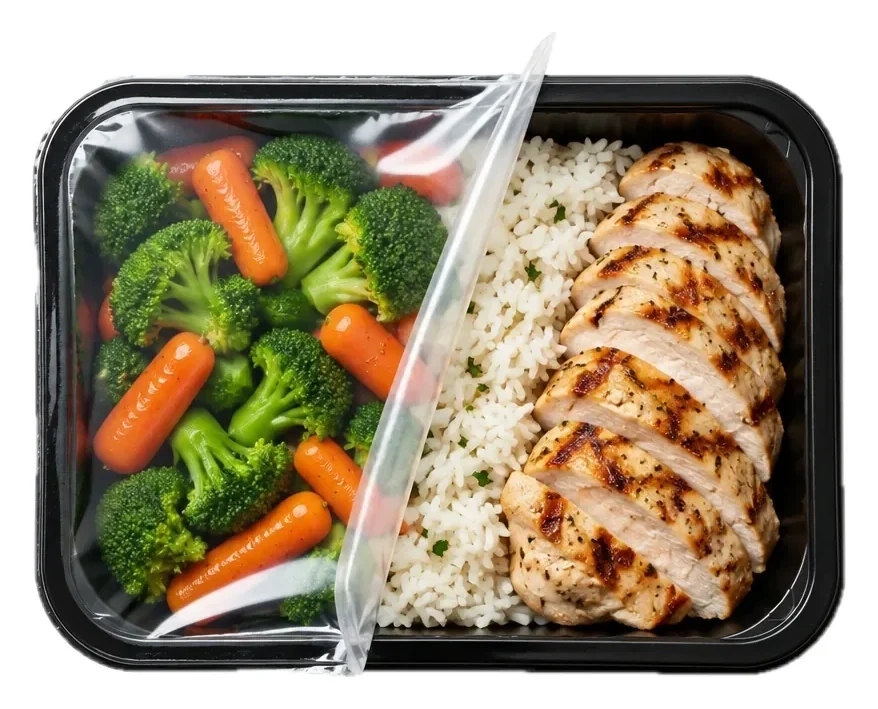
- Ready meals for retail: the product is baked in the bag and sold already cooked — the shopper only reheats it.
- Oven-ready semi-finished products: marinated meat or poultry that the shopper bakes at home right in the pack.
- Sous-vide and pasteurisation in production and central kitchens.
- HoReCa: prepared items finished in the restaurant kitchen.
How to choose a bag
- Mode: oven, sous-vide or pasteurisation, what temperature and for how long.
- Product: are there bones and sharp edges, a lot of fat and marinade.
- Freezing: will the product be frozen before cooking.
- Presentation: do you need printing with a logo and cooking instructions.
- Size: for the portion weight, with a margin for the seal.
Always test the bag on your product and in your cooking mode: this shows both the seal strength and the look after baking.
Leave a request — we will choose an oven or sous-vide bag and send samples.